
Private label seasoning development helps food brands create custom seasoning blends that are manufactured and sold under their own brand name. Whether you’re launching a new snack range, seasoning sachet, ready-to-cook product, or foodservice solution, partnering with an experienced private label seasoning manufacturer can accelerate product development and market entry.
What Is Private Label Seasonings Development?
Private label seasoning development involves creating custom seasoning blends tailored to a brand’s flavour profile, ingredient requirements, target market, and application. Unlike standard spice mixes, private label seasonings are developed exclusively for your brand and can be used across snacks, convenience foods, culinary products, and foodservice applications.
For CPG (Consumer Packaged Goods) brands, private label seasoning offers product differentiation, flavour consistency, and scalable manufacturing without investing in in-house production facilities.
What to Look for in a Private Label Seasonings Manufacturer?
Choosing the right seasoning partner is critical for product quality and long-term growth. Key considerations include:
- Flavour development and sensory expertise
- Application testing on real food products
- HACCP, BRC certifications
- Scalable manufacturing capacity
- Ingredient traceability and allergen management
- Regulatory compliance support
- Clean-label and reduced-sodium capabilities
- Confidentiality and IP protection
Common Private Label Seasonings Applications
- Private Label Culinary and Foodservice Seasonings
Restaurants, QSR brands, and foodservice operators use custom seasoning solutions to maintain flavour consistency across multiple locations and menu formats.
- Private Label Coatings, Marinades, and Convenience Foods
Seasoning systems for ready-to-cook and ready-to-eat products must perform reliably under specific processing and cooking conditions while delivering consistent flavour.
- Private Label Functional and Signature Blends
Many brands are exploring seasoning blends that incorporate natural extracts, botanicals, and functional ingredients to support product differentiation and wellness positioning.
- Private Label for Sprinklers
Private label seasoning solutions for sprinklers are designed to deliver consistent flavour, aroma and coverage across a wide range of snack and food applications. Custom blends can be developed to match a brand’s desired flavour profile, particle size, adhesion and application method. From classic savoury profiles to distinctive signature blends, private label seasoning manufacturers can help brands create differentiated products while maintaining batch-to-batch consistency.
- Private Label for Curry Mixes and Curry Powders
Private label curry mixes and curry powders enable brands to offer authentic and consistent regional flavour profiles under their own brand name. Blends can be customised based on spice composition, flavour intensity, heat level, colour and target market. Application testing and ingredient specification controls help ensure consistent performance, flavour and aroma across production batches, whether the product is intended for retail, foodservice or culinary applications.
- Private Label for Instant Food Mixes and Instant Drinks
Private label solutions for instant food mixes and instant drinks help brands develop convenient products with consistent taste, aroma and performance. Custom formulations can be created for applications such as instant meal mixes, beverage mixes and other convenience products, based on the required flavour profile, preparation method, ingredient preferences and target consumer. With application testing and scalable manufacturing, brands can move from product concept to commercial production while maintaining consistent quality.
How Long Does Seasoning Development Take?
Development timelines depend on flavour complexity, application requirements, and regulatory needs. Simple seasoning blends may be developed within 6–10 weeks, while more complex projects requiring multiple trials and market approvals can take 12–20 weeks.
A detailed product brief covering flavour targets, application methods, ingredient preferences, and regulatory requirements can significantly reduce development time.
Private Label Seasonings Development with Tropical Flavours
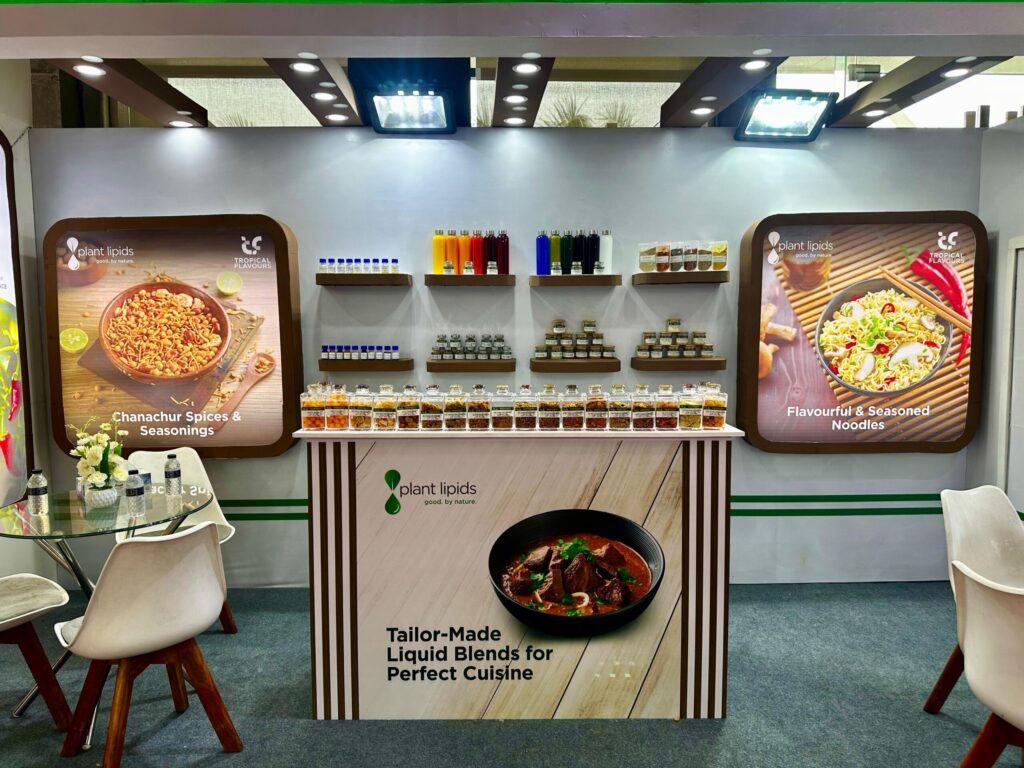
Tropical Flavours, part of the Plant Lipids Group, develops custom seasoning blends for snack manufacturers, foodservice brands, and food companies worldwide. With expertise in seasoning development, flavour creation, application testing, and large-scale manufacturing, the company supports brands from concept through commercial production.
Manufacturing facilities across the globe enable the supply to domestic and international markets while supporting regional regulatory requirements. Access to spice extracts, natural ingredients, and specialised flavour technologies also helps brands create differentiated seasoning products tailored to their target consumers.
FAQ
Minimum order quantities vary by format, flavour complexity, and packaging type. The best approach is to discuss your projected launch volume and expected ramp-up trajectory with your manufacturer during the initial brief stage, so they can confirm commercial viability at your required volumes.
Intellectual property arrangements vary by manufacturer. Many private label partners offer formula ownership or exclusivity clauses in exchange for committed volume agreements. Always clarify IP (Intellectual Property) terms at the outset of negotiations and ensure they are reflected in your manufacturing agreement.
At a minimum, look for HACCP (Hazard Analysis Critical Control Points) certification as a baseline. Major retailers increasingly require BRC and Halal standards. Market-specific certifications — such as FSSAI in India, FDA registration in the US, or organic and halal/kosher accreditations — may be required depending on your target channels and consumer base.
Batch-to-batch consistency is governed by the quality of ingredient specification controls, blending process documentation, and in-process and finished goods testing protocols your manufacturer maintains. Request details on their quality assurance systems and ask specifically how they manage consistency for reformulation-sensitive categories.